
Upper Limb (Arm and Hand) Prostheses
Finger, hand, forearm and arm prostheses in cosmetic, mechanical and myoelectric options.
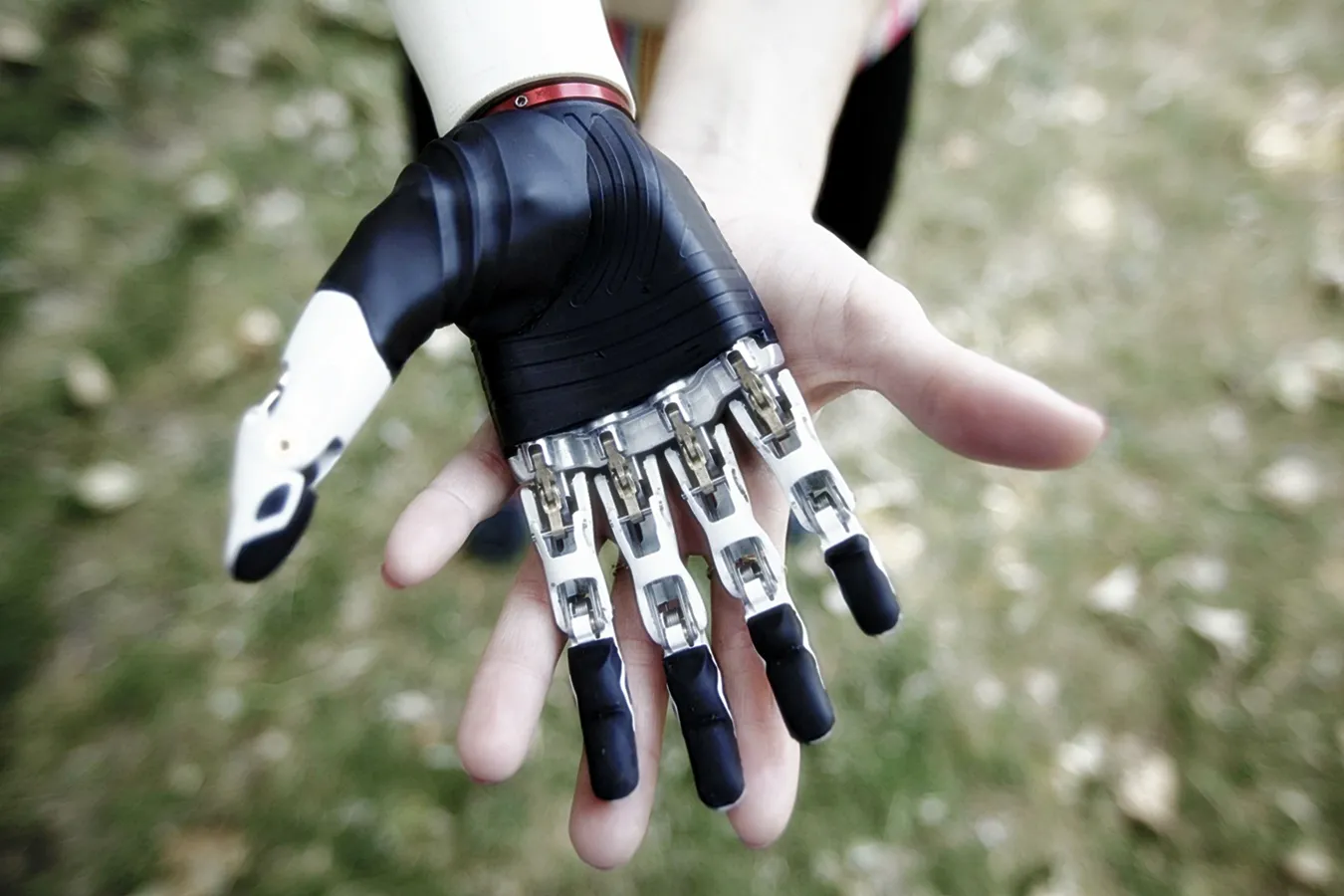
Upper limb prostheses help people with finger, hand, forearm or arm loss carry out daily tasks more independently and feel more at ease. Because the arm and hand perform a wide range of movements, the choice of prosthesis follows the user’s priorities.
Types of prostheses
- Cosmetic prostheses: Focused on a natural look. Lightweight and easy to care for.
- Mechanical prostheses: Operated by shoulder and trunk movements through a cable system. Durable, with no power source needed.
- Myoelectric prostheses: Open and close the hand using electrical signals from the muscles of the residual limb.
- Silicone prostheses: Detailed, skin-matched appearance for finger and partial hand loss.
Making the right choice
Is appearance or function more important? Which tasks will the prosthesis be used for, and for how many hours a day? The answers determine the most suitable type. We review the options together and, where useful, suggest combining different types.
Frequently asked questions
What is the difference between cosmetic, mechanical and myoelectric prostheses?
Cosmetic prostheses focus on a natural look. Mechanical prostheses are controlled by body movements. Myoelectric prostheses are motorized systems driven by muscle signals.
At which levels can a prosthesis be made?
Solutions are available for finger, partial hand, wrist, forearm, elbow and arm levels. The right option is determined at the assessment.
The information on this page is for general guidance. The right treatment and device for you are determined by your physician's assessment and report.
Related pages
-
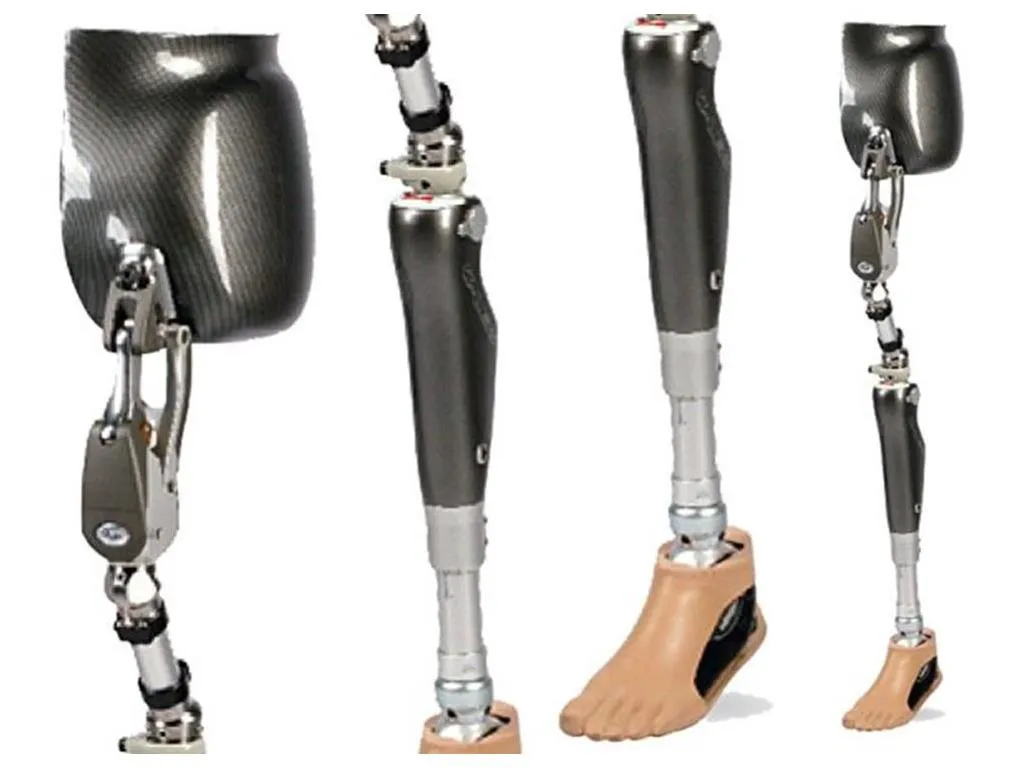
Lower Limb (Leg) Prostheses
Below-knee, above-knee and knee disarticulation prostheses matched to your daily life and activity level.
Learn more -
Amputation and Prosthesis Levels
A guide to prosthesis options by amputation level and how each level shapes the process.
Learn more -
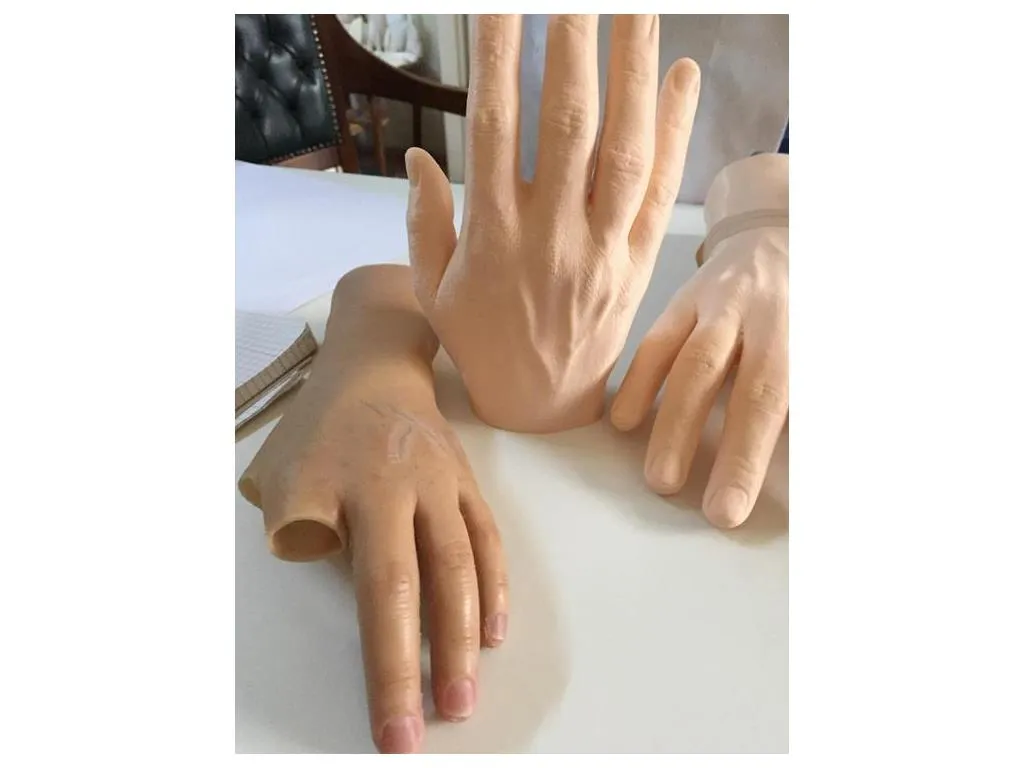
Cosmetic Prostheses
Lightweight, easy-care hand and arm prostheses focused on a natural look.
Learn more