
Myoelectric Prostheses
Motorized hand and arm prostheses controlled by muscle signals from the residual limb.
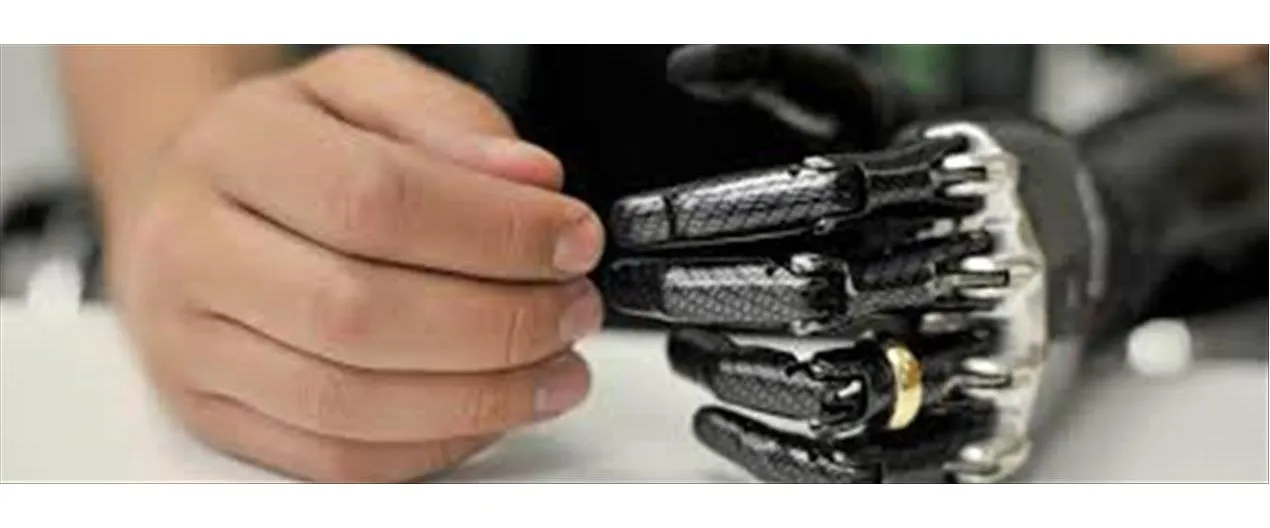
Myoelectric prostheses are motorized prostheses controlled by electrical signals from the muscles of the residual limb. They provide natural control without cables or harnesses. Advanced models offer several grip patterns.
The process
- Signal test: Usable muscle signals in the residual limb are measured.
- Socket and electrode placement: The socket is custom-made so the electrodes sit in the right place.
- Fitting and tuning: Signal sensitivity and movement speed are adjusted to the user.
- User training: Practice for efficient use in daily tasks.
Good to know
Myoelectric prostheses need regular charging and careful use. Water and impact resistance vary by model. We explain the pros and cons of each option so you can choose the model that fits your expectations.
Frequently asked questions
How does a myoelectric prosthesis work?
Electrodes inside the socket detect the signals produced when the residual limb muscles contract. These signals drive the motors in the hand to open, close and grip.
Can anyone use a myoelectric prosthesis?
A preliminary test shows whether there are sufficient muscle signals. Signal quality, residual limb structure and expectations are assessed together.
The information on this page is for general guidance. The right treatment and device for you are determined by your physician's assessment and report.
Related pages
-
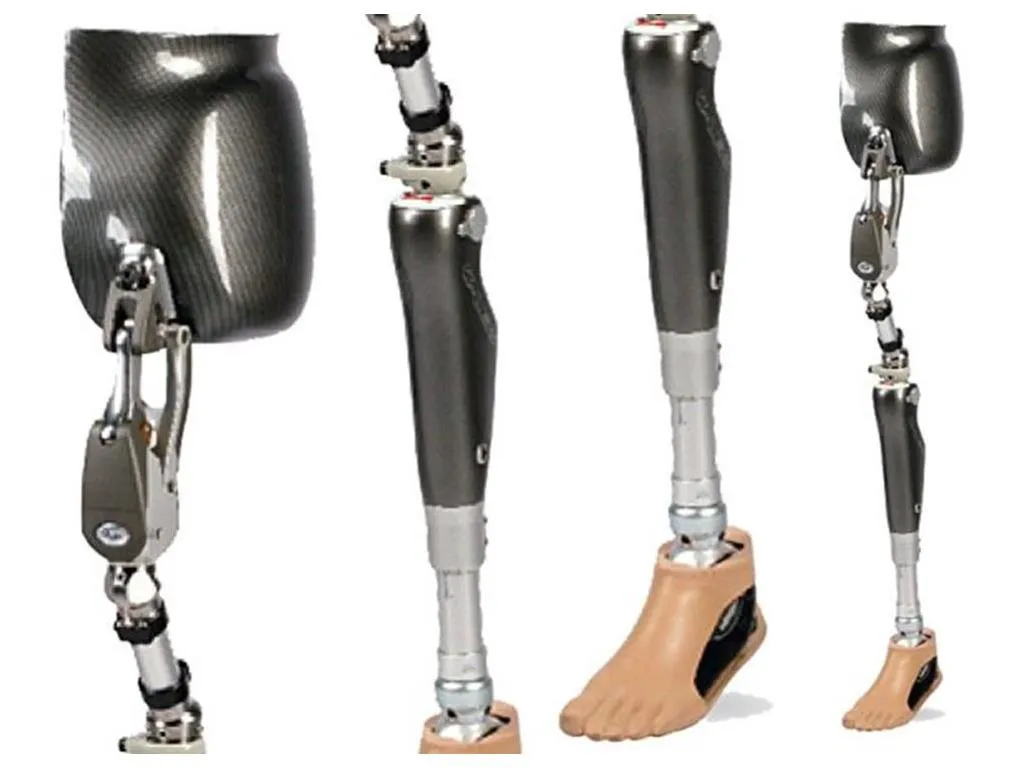
Lower Limb (Leg) Prostheses
Below-knee, above-knee and knee disarticulation prostheses matched to your daily life and activity level.
Learn more -
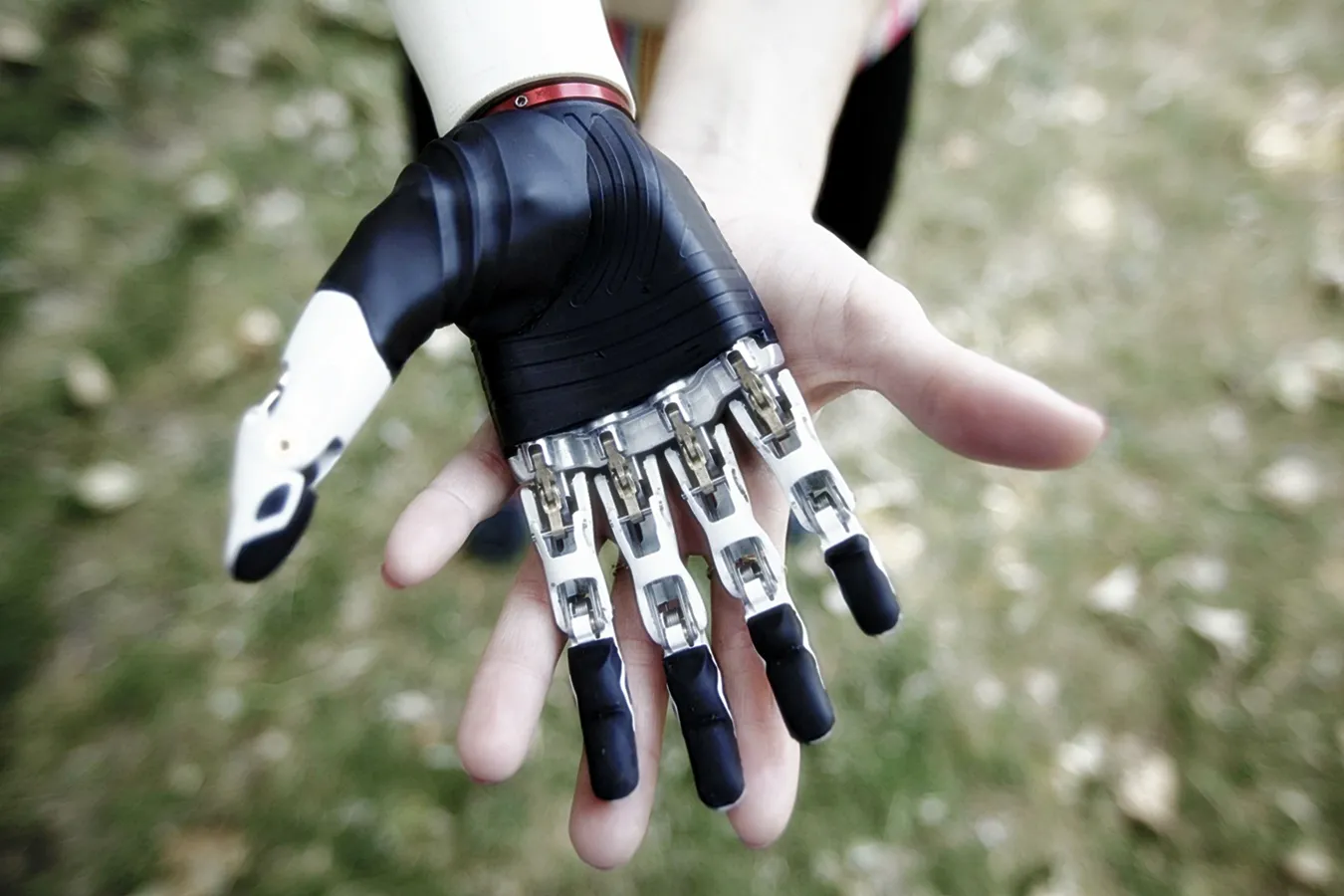
Upper Limb (Arm and Hand) Prostheses
Finger, hand, forearm and arm prostheses in cosmetic, mechanical and myoelectric options.
Learn more -
Amputation and Prosthesis Levels
A guide to prosthesis options by amputation level and how each level shapes the process.
Learn more