
Mechanical (Body-Powered) Prostheses
Durable arm prostheses operated by shoulder and trunk movements, with no power source needed.
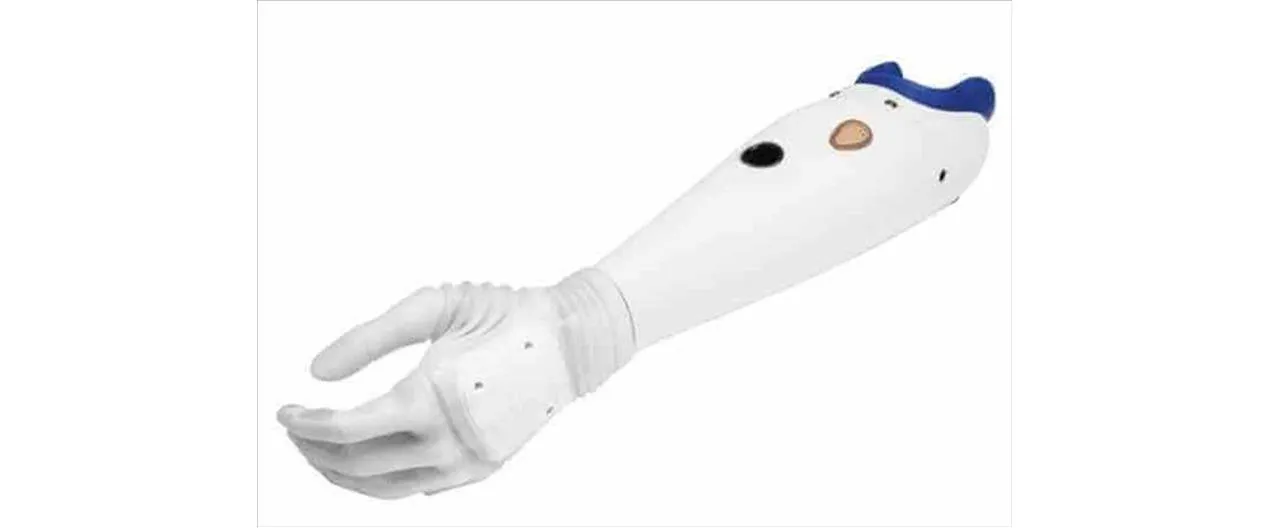
Mechanical prostheses transfer the user’s shoulder and trunk movements to the prosthetic hand or hook through a cable and harness system. They need no batteries or charging, are durable and can be used confidently for physical work.
Who are they for?
- Users who prioritize durability and low maintenance
- People working in environments unsuitable for electronics
- Users who will rely on the prosthesis actively for long hours
Components
A custom socket, harness and cable system, an elbow unit at the levels that need one, and a hand or hook as the terminal device. The terminal device can be changed depending on the task.
Frequently asked questions
Is a mechanical prosthesis hard to learn?
Control relies on shoulder and trunk movements. After a short training and practice period, most users handle daily tasks comfortably.
The information on this page is for general guidance. The right treatment and device for you are determined by your physician's assessment and report.
Related pages
-
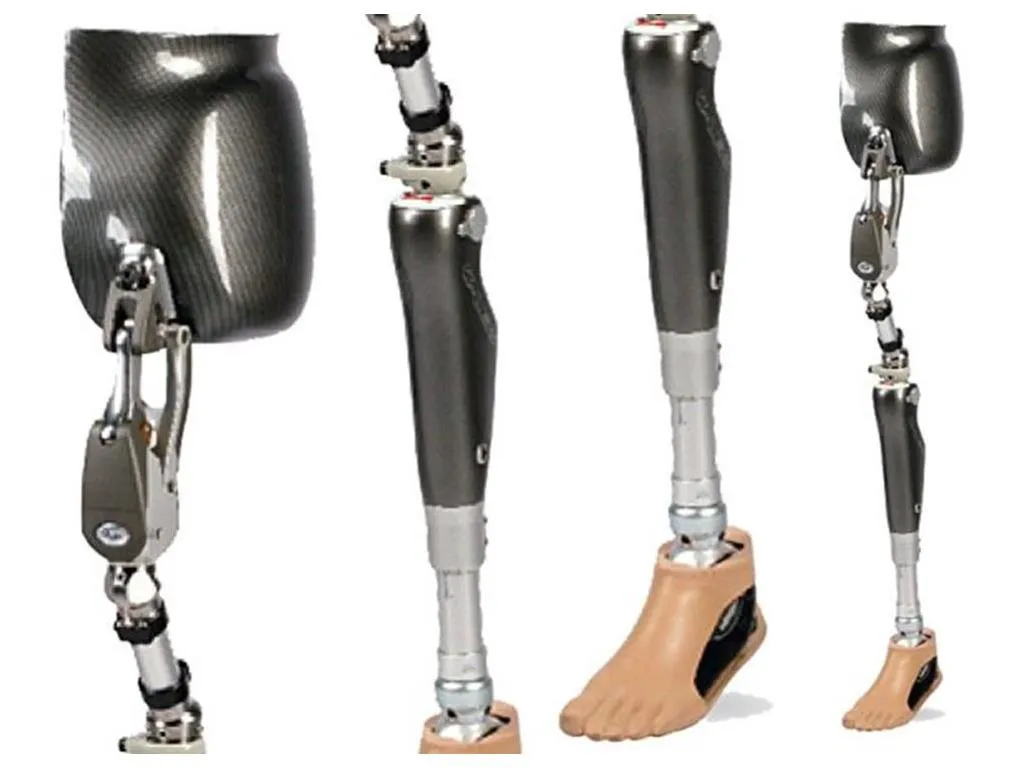
Lower Limb (Leg) Prostheses
Below-knee, above-knee and knee disarticulation prostheses matched to your daily life and activity level.
Learn more -
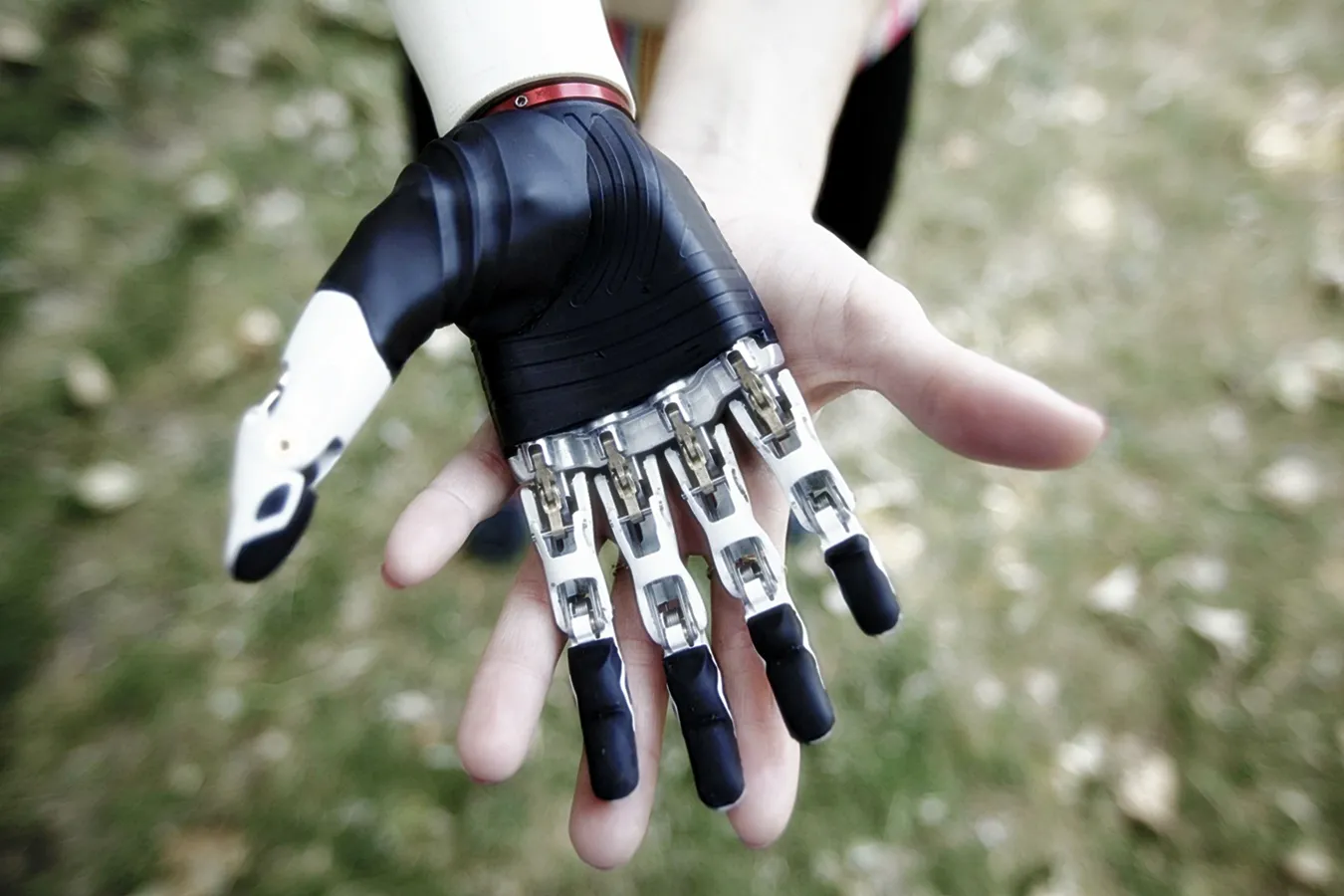
Upper Limb (Arm and Hand) Prostheses
Finger, hand, forearm and arm prostheses in cosmetic, mechanical and myoelectric options.
Learn more -
Amputation and Prosthesis Levels
A guide to prosthesis options by amputation level and how each level shapes the process.
Learn more