
3D Prosthesis Design
Digital scanning and 3D design for more precise measurement, better fit and a personalized look.
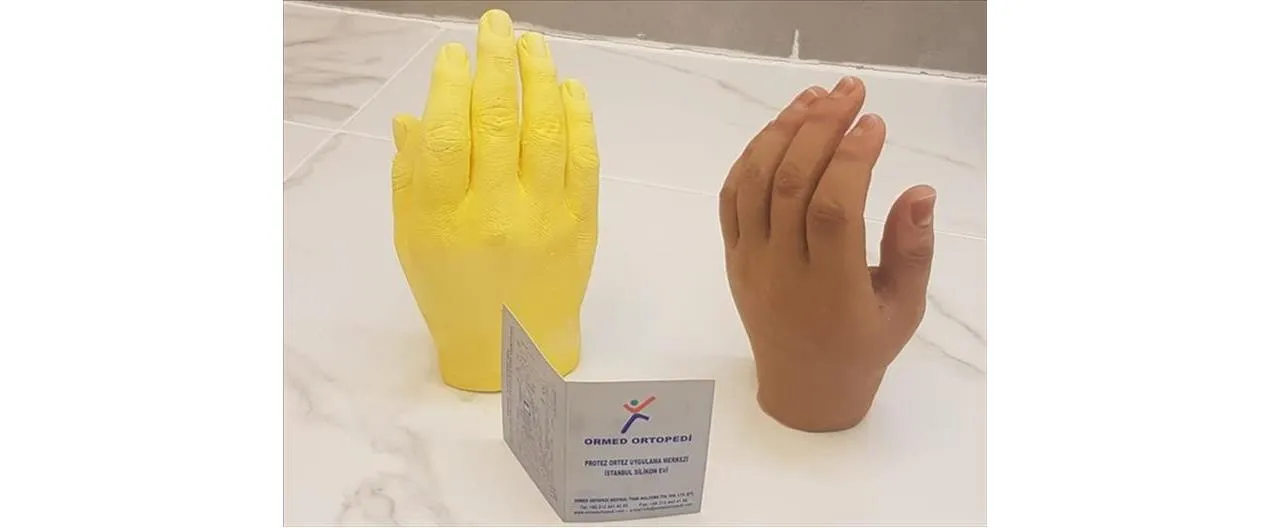
3D scanning and design technologies increase measurement precision in prosthetic and orthotic production and widen the possibilities for personalization. Combined with traditional craftsmanship, they deliver results with a better fit.
What it offers
- Digital measurement: The residual limb or limb is captured quickly with contactless scanning.
- Precise design: Socket and cover shapes are planned in detail on the computer.
- Personalization: Unique designs can be prepared based on color, pattern and shape preferences.
- Records and reproduction: Stored digital data makes renewals easier.
We decide together at the assessment whether a 3D approach suits your case.
Frequently asked questions
How does 3D design differ from the traditional method?
Digital scanning records measurements quickly and repeatably. Because the design can be edited on a computer, changes and reproduction are easier.
The information on this page is for general guidance. The right treatment and device for you are determined by your physician's assessment and report.
Related pages
-
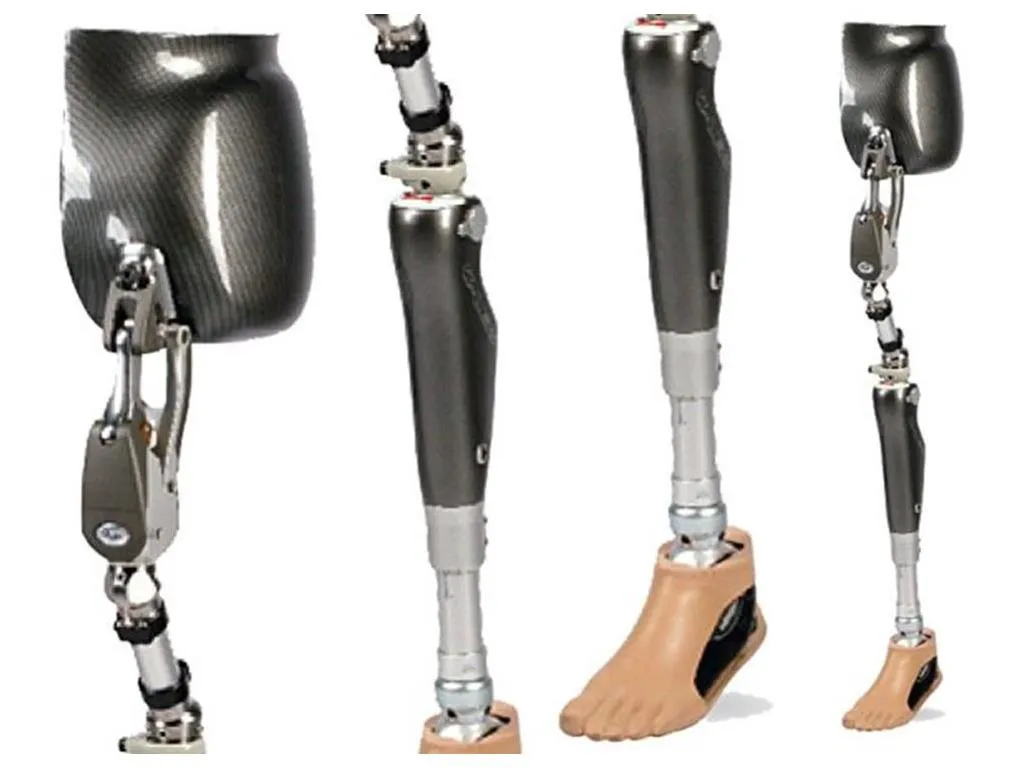
Lower Limb (Leg) Prostheses
Below-knee, above-knee and knee disarticulation prostheses matched to your daily life and activity level.
Learn more -
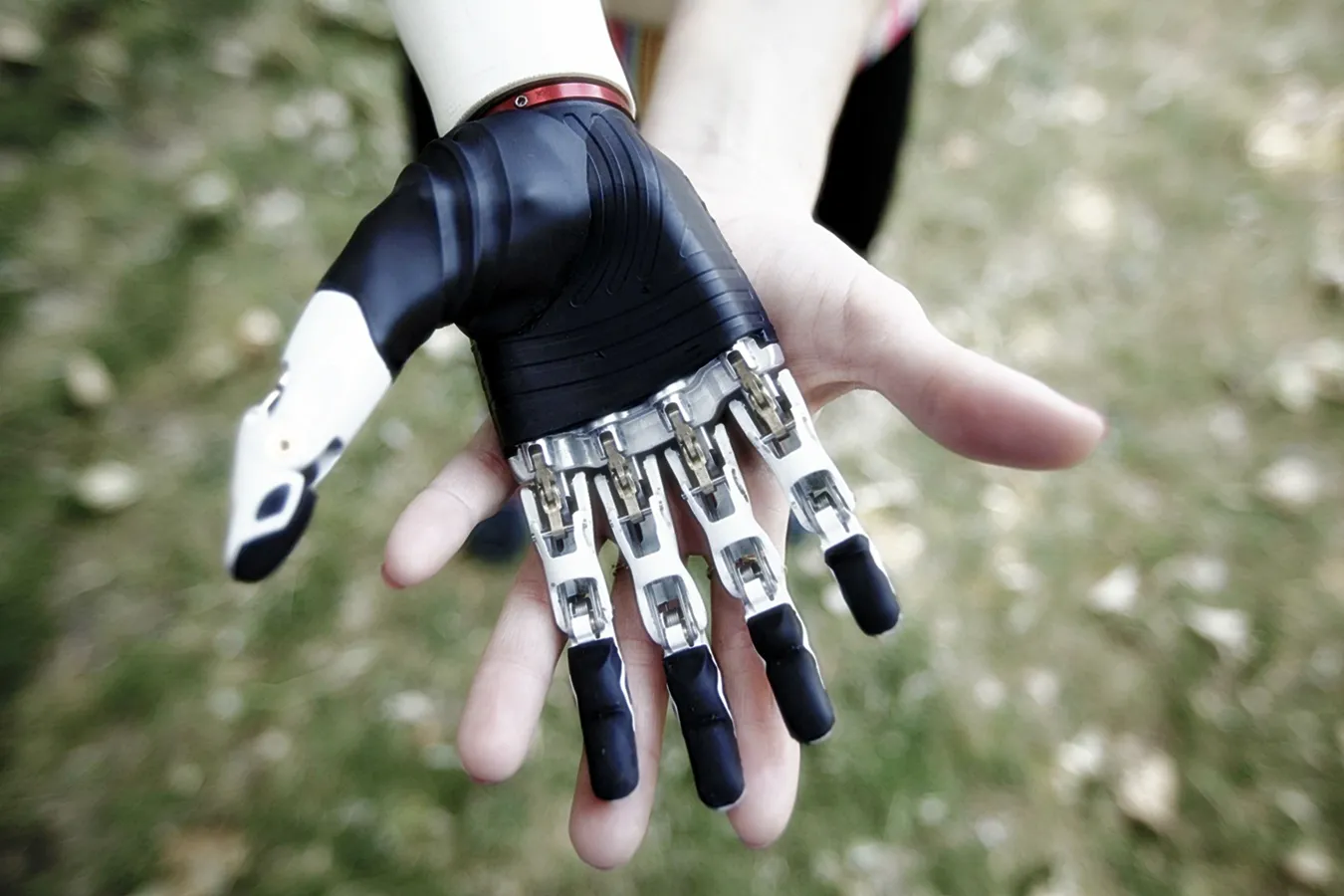
Upper Limb (Arm and Hand) Prostheses
Finger, hand, forearm and arm prostheses in cosmetic, mechanical and myoelectric options.
Learn more -
Amputation and Prosthesis Levels
A guide to prosthesis options by amputation level and how each level shapes the process.
Learn more