
Amputation and Prosthesis Levels
A guide to prosthesis options by amputation level and how each level shapes the process.
The first factor in planning a prosthesis is the level of amputation. Even at the same level, residual limb length, skin and muscle condition, age and activity level can call for different solutions.
Lower limb levels
- Partial foot: Silicone prostheses or custom insoles for toe or forefoot loss.
- Below-knee (transtibial): The most common level. Because the natural knee is preserved, walking is usually easier to learn.
- Knee disarticulation: Offers a long residual limb and end-bearing capability. Requires dedicated knee systems.
- Above-knee (transfemoral): The choice of prosthetic knee is critical for safe walking.
- Hip disarticulation: The hip, knee and ankle joints are all replaced by the prosthesis.
Upper limb levels
- Finger and partial hand: Natural appearance is usually achieved with silicone prostheses.
- Wrist and forearm (transradial): Cosmetic, mechanical and myoelectric options can all be applied.
- Elbow and upper arm (transhumeral): Requires an elbow unit and a more extensive control system.
- Shoulder level: Requires a custom design and detailed planning.
To learn which options suit your level, bring your medical report to a consultation.
Frequently asked questions
How does the amputation level affect the choice of prosthesis?
The higher the level, the more joints the prosthesis has to replace. This directly affects component choice, weight and the adaptation period.
The information on this page is for general guidance. The right treatment and device for you are determined by your physician's assessment and report.
Related pages
-
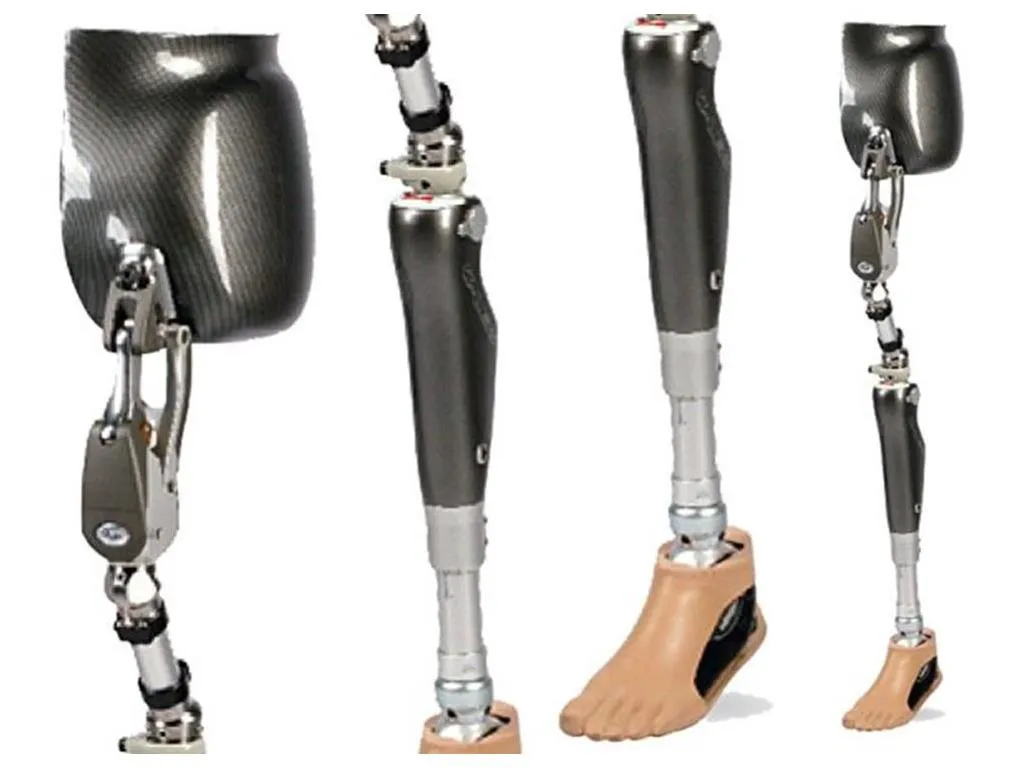
Lower Limb (Leg) Prostheses
Below-knee, above-knee and knee disarticulation prostheses matched to your daily life and activity level.
Learn more -
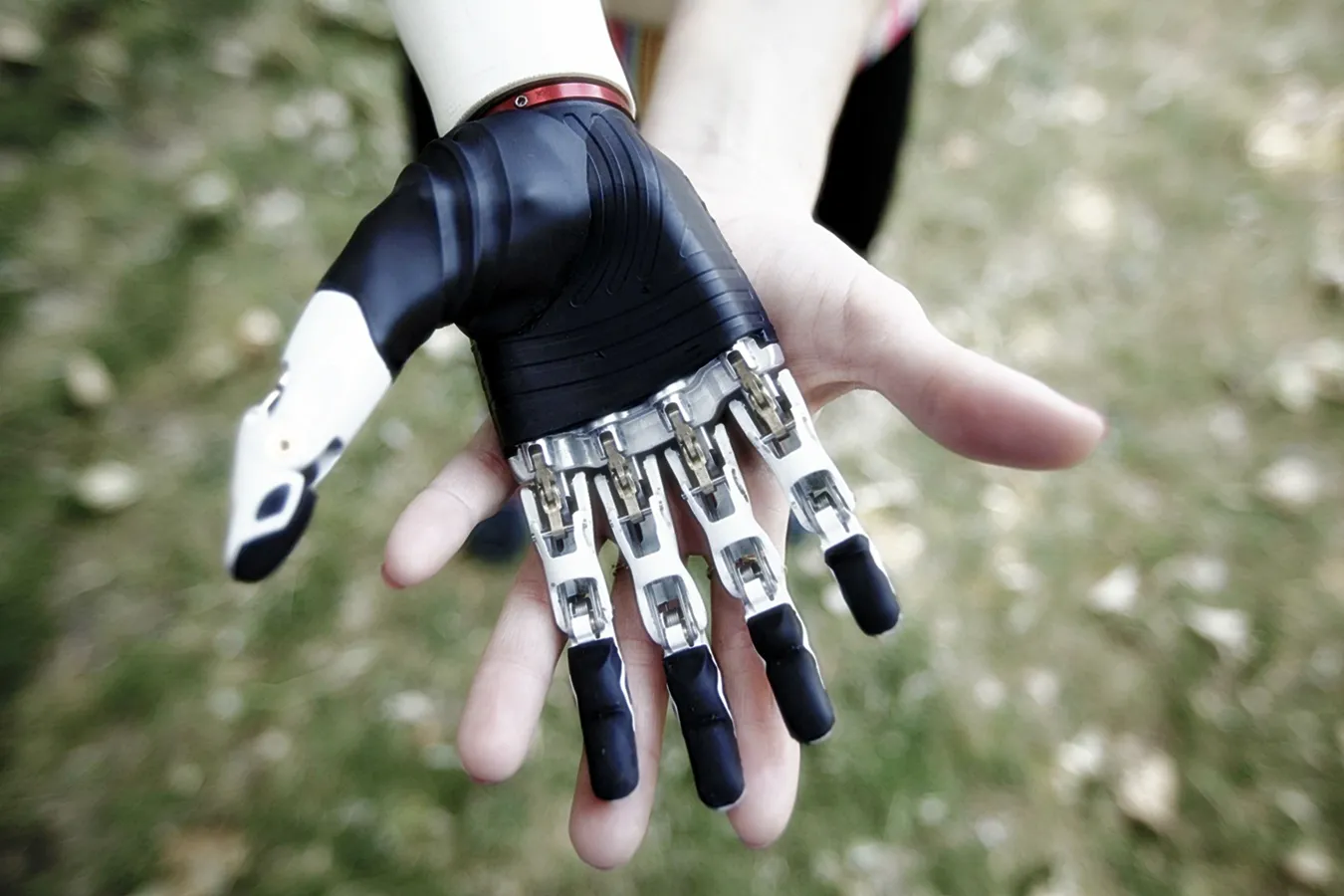
Upper Limb (Arm and Hand) Prostheses
Finger, hand, forearm and arm prostheses in cosmetic, mechanical and myoelectric options.
Learn more -
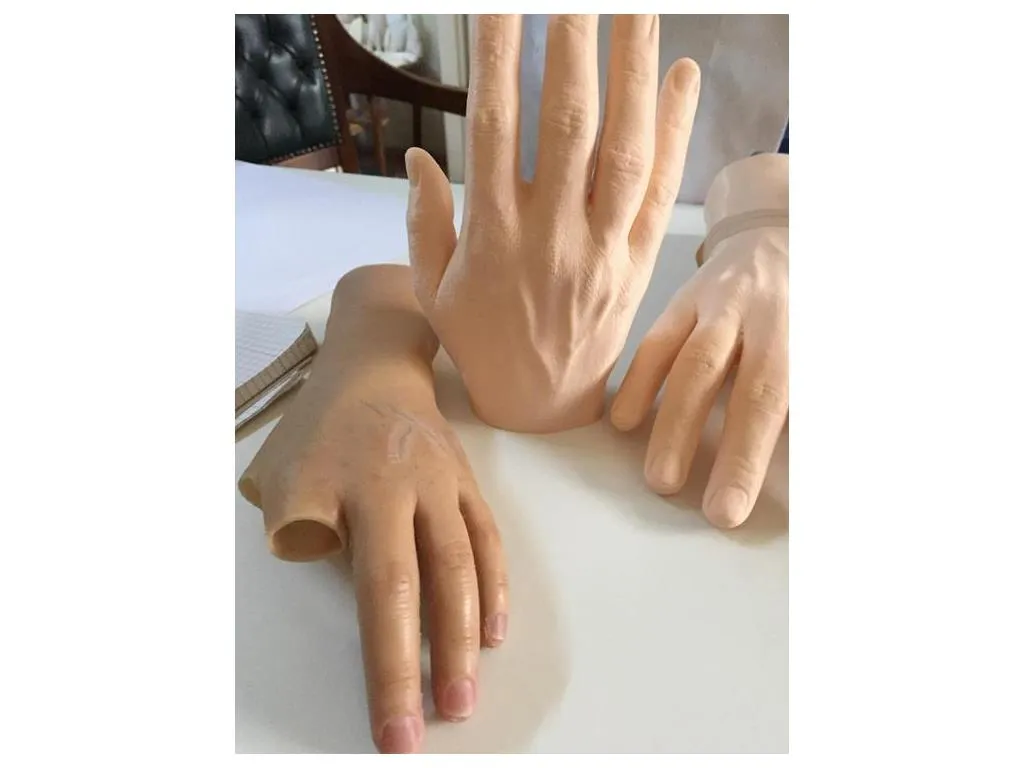
Cosmetic Prostheses
Lightweight, easy-care hand and arm prostheses focused on a natural look.
Learn more